
Living with diabetes and vision loss requires constant attention to your health, and your eyes are no exception. Many people don’t realize just how closely diabetes is tied to vision health until changes in their sight start to show up. At Koziol-Thoms-Eye Associates in Arlington Heights, Illinois, we believe in staying ahead of these changes before they become life-altering. Our comprehensive diabetic eye care services are designed to help you understand the risks, monitor your vision closely, and keep your sight clear and protected for the long term.
Why Diabetes Can Impact Your Eyes More Than You Think
Diabetes doesn’t just affect blood sugar levels. Over time, high glucose can damage the tiny blood vessels in your eyes, leading to conditions like diabetic retinopathy and diabetic macular edema. These changes often happen gradually and silently, without early warning signs. That’s why routine eye screenings are so critical, especially for those living with diabetes. At Koziol-Thoms Eye Associates, we use advanced diagnostic tools to detect even the earliest signs of these issues so that we can take action before permanent vision damage occurs.

Understanding Diabetic Retinopathy and Its Effects
Diabetic retinopathy is one of the most common and serious complications of diabetes. It occurs when prolonged high blood sugar levels cause damage to the retina, the part of the eye that processes light and sends images to your brain. This damage can lead to blurry vision, dark spots, or even complete vision loss if left untreated. The scary part is that in its early stages, diabetic retinopathy often shows no symptoms. That’s why we stress the importance of annual dilated eye exams at our clinic for all diabetic patients. These exams allow our team to get a full look at the back of the eye and detect subtle changes long before they become problematic.
Why Early Detection is Your Best Defense
When it comes to diabetes and eye health, the sooner we identify a concern, the better the outcome. Detecting changes in your retina early gives us the opportunity to manage the condition through lifestyle recommendations, medical intervention, or referral to a specialist if needed. In some cases, managing blood sugar and blood pressure more carefully can significantly slow the progression of vision-related complications. For our patients in Arlington Heights and the surrounding area, early diagnosis means more time to adjust treatment plans and maintain the vision they rely on every day.
The Role of Regular Eye Screenings in Diabetes Management
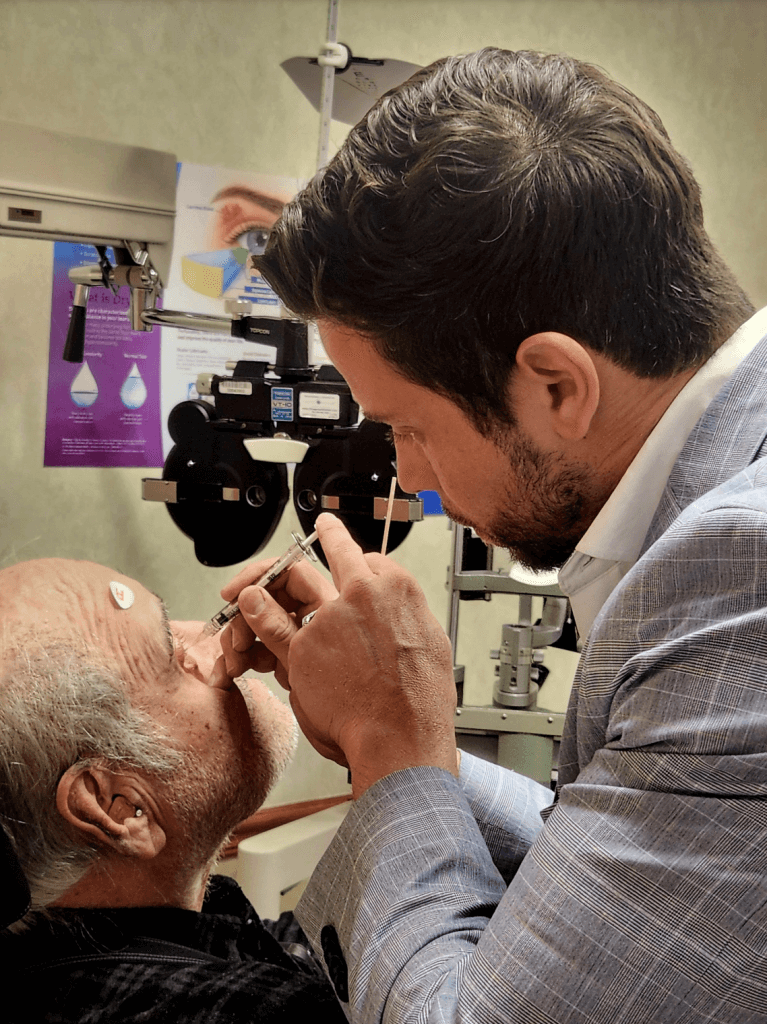
Even if you don’t notice any vision changes, it’s essential to schedule a yearly eye screening if you have diabetes. At Koziol-Thoms Eye Associates, our screenings are detailed and comfortable. We check visual acuity, pressure inside the eye, and, most importantly, the health of your retina. This allows us to monitor any slow-developing changes and take proactive steps to preserve your eyesight. We also work closely with your primary care provider or endocrinologist to make sure your overall diabetes care plan includes vision health as a top priority.
Lifestyle Choices That Support Healthy Vision
In addition to regular screenings, everyday habits can help protect your eyes if you’re living with diabetes. Eating a balanced diet, staying physically active, and keeping your blood sugar, cholesterol, and blood pressure in healthy ranges all play a role in slowing the effects of diabetic eye disease. Wearing sunglasses, managing screen time, and avoiding smoking are also small changes that support long-term eye health. At Koziol-Thoms, we don’t just treat eyes, we educate our patients on all the ways they can support their vision naturally and sustainably.
Personalized Care You Can Count On
At our Arlington Heights clinic, we pride ourselves on getting to know each patient individually. Diabetes doesn’t look the same for everyone, so your eye care plan shouldn’t either. Whether you’re newly diagnosed or have been managing diabetes for years, our goal is to support you with tailored solutions that meet your needs today and help protect your future. From routine screenings to managing complex conditions, our team is committed to helping you stay in control of your vision health.
Conclusion
Living with diabetes comes with many challenges, but losing your vision doesn’t have to be one of them. With proactive care, early detection, and the support of a dedicated team, you can protect your eyes and stay ahead of potential problems. For compassionate care and expert screenings, contact Koziol-Thoms Eye. If you’re managing diabetes, make your eyes a priority, because clear sight means a better quality of life.
FAQs
How does diabetes affect the eyes?
Diabetes can damage the blood vessels in the retina, leading to conditions like diabetic retinopathy and diabetic macular edema, which can cause vision loss over time if not treated.
What is diabetic retinopathy?
It’s an eye condition caused by long-term high blood sugar levels damaging the blood vessels in the retina. It can lead to blurred vision, floaters, and even blindness if not managed properly.
Do I need an eye exam if I don’t have vision problems yet?
Yes. Many diabetic eye issues develop silently, without symptoms. Annual screenings are the best way to detect problems early and start treatment before vision is affected.
What happens during a diabetic eye screening?
You’ll receive a full vision test, a dilated retinal exam, and possibly imaging tests to detect early signs of damage to your retina or other parts of the eye.
Can eye damage from diabetes be reversed?
In the early stages, better control of blood sugar and medical treatment can stop or slow the progression. In advanced cases, vision loss may be permanent, which is why early detection is so important.
